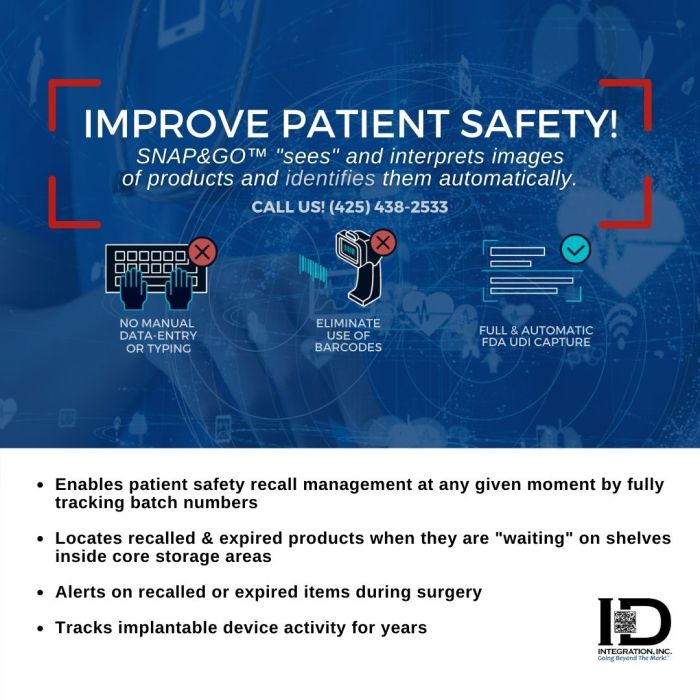
Technology for Patient Safety sets the stage for this enthralling narrative, offering readers a glimpse into a story that is rich in detail with casual formal language style and brimming with originality from the outset.
Exploring the intersection of technology and patient safety, this discussion delves into the crucial role of innovative solutions in the healthcare sector. From preventing medication errors to enhancing early detection of complications, the impact of technology is profound and far-reaching.
Introduction to Patient Safety
Patient safety in the healthcare sector refers to the prevention of errors and adverse effects to patients during their treatment. It involves creating a safe environment that minimizes risks and ensures the well-being of patients throughout their healthcare journey.Ensuring patient safety is crucial in medical practices as it directly impacts the quality of care provided and patient outcomes. By prioritizing patient safety, healthcare professionals can reduce medical errors, prevent infections, and improve overall patient satisfaction.Technology plays a significant role in enhancing patient safety in healthcare settings.
For example, electronic health records (EHRs) help healthcare providers access patient information quickly and accurately, reducing the risk of errors due to illegible handwriting or misplaced records. Moreover, technologies like barcode medication administration systems help prevent medication errors by ensuring the right medication is administered to the right patient at the right time.Despite the benefits of technology, there are still common risks and challenges to patient safety in healthcare settings.
These may include cybersecurity threats to patient data, interoperability issues between different systems, and the potential for technology to introduce new errors if not properly implemented and monitored.
Technology Applications for Patient Safety
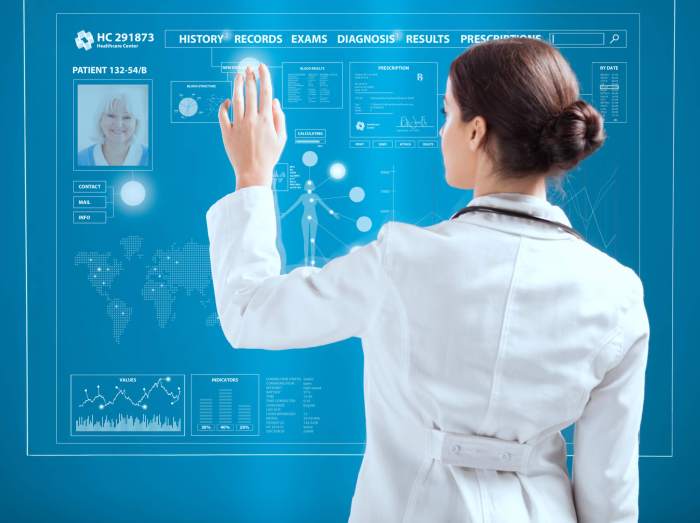
Technology plays a crucial role in enhancing patient safety within healthcare settings. Various technological advancements have been implemented to improve patient outcomes and minimize risks. Let’s explore some key technologies used for patient safety:
Electronic Health Records (EHR) Systems
Electronic Health Records (EHR) systems have revolutionized the way patient information is stored and accessed. These digital records centralize patient data, making it easily accessible to healthcare providers. By having accurate and up-to-date information at their fingertips, healthcare professionals can make informed decisions quickly, leading to improved patient safety. For example, EHR systems can help prevent medication errors by providing real-time alerts for potential drug interactions or allergies.
Artificial Intelligence (AI)
Artificial Intelligence (AI) is increasingly being used in healthcare to identify potential patient safety issues. AI algorithms can analyze large amounts of data to detect patterns and trends that may indicate risks to patient safety. For instance, AI-powered systems can predict patient deterioration or identify anomalies in medical imaging, helping healthcare providers intervene proactively.
Telemedicine and Remote Monitoring
Telemedicine and remote monitoring technologies enable healthcare providers to monitor patients from a distance, allowing for continuous care and early intervention. These technologies are particularly beneficial for patients with chronic conditions or those who live in remote areas. By leveraging telemedicine and remote monitoring, healthcare teams can detect changes in a patient’s condition promptly and provide timely interventions, ultimately enhancing patient safety.
Benefits of Technology in Enhancing Patient Safety
Technology plays a crucial role in enhancing patient safety across healthcare settings. From preventing medication errors to early detection of complications, here are some key benefits:
Preventing Medication Errors
- Automated medication dispensing systems help reduce human errors in dosage calculation and administration.
- Barcoding technology ensures the right medication is given to the right patient at the correct time, reducing the risk of errors.
- Electronic prescribing systems provide real-time alerts for potential drug interactions or allergies, improving medication safety.
Patient Identification Systems
- Biometric identification systems like fingerprint or iris scans ensure accurate patient identification, reducing the risk of mistaken identity during treatments.
- RFID bracelets or tags help healthcare providers track patients’ locations and ensure they receive the correct care, enhancing safety.
Real-Time Data Monitoring
- Continuous monitoring of vital signs and patient data allows for early detection of deteriorating conditions, enabling prompt intervention and reducing adverse outcomes.
- Alert systems based on algorithms can detect subtle changes in patient parameters, alerting healthcare providers to potential complications before they escalate.
Reducing Hospital-Acquired Infections
- Electronic health records facilitate tracking of infection rates and identifying patterns, enabling targeted interventions to prevent the spread of infections within healthcare facilities.
- Automated disinfection systems and UV light technology help sterilize equipment and surfaces, reducing the risk of hospital-acquired infections.
Implementation Challenges and Solutions
Implementing technology for patient safety in healthcare settings can pose various challenges. However, there are strategies and solutions available to address these obstacles effectively.
Common Challenges in Implementation
- Lack of financial resources to invest in new technologies.
- Resistance from healthcare staff due to fear of change or lack of understanding.
- Integration difficulties with existing systems and workflows.
- Data privacy and security concerns.
Overcoming Resistance to Adoption
One key strategy to overcome resistance is to involve healthcare professionals in the decision-making process and provide them with proper training and support.
Importance of Training Healthcare Professionals
Training is crucial to ensure that healthcare professionals can effectively utilize safety technologies. It helps in optimizing the use of these tools and ensures better patient outcomes.
Examples of Successful Implementation
An example of successful implementation is the use of barcode scanning technology to verify patient identity and medication administration, reducing errors significantly.
Another successful implementation is the adoption of electronic health records (EHRs) to improve communication among healthcare providers and enhance patient safety through accurate and accessible medical information.
In conclusion, Technology for Patient Safety illuminates the transformative power of cutting-edge solutions in safeguarding patients within medical settings. As technology continues to evolve, so too will the landscape of patient safety, promising a future where healthcare outcomes are optimized and risks minimized.
Essential Questionnaire
How can technology help prevent medication errors?
Technology aids in reducing medication errors by implementing systems that automate prescription processes, cross-referencing patient data to avoid adverse drug interactions.
What role does artificial intelligence play in patient safety?
Artificial intelligence contributes to patient safety by analyzing vast amounts of data to identify patterns and anomalies that could indicate potential safety risks.
How do electronic health records enhance patient safety?
Electronic health records streamline information sharing among healthcare providers, reducing errors and ensuring accurate and timely treatment for patients.
What are common challenges in implementing technology for patient safety?
Common challenges include resistance to change, the need for extensive training, and concerns about data privacy and security.


